

Underground utility work is one of those areas where general contractors run into trouble. A professional underground utilities contractor has the equipment, training, and permit experience that general construction crews typically lack. This guide walks through the seven signs that your project needs a specialist, what to look for, and when a general contractor is fine.
The Specialization Gap
Underground utility construction has specific equipment, training, safety, and compliance requirements. According to the North American Society for Trenchless Technology, specialized contractors consistently achieve better outcomes on complex underground work than generalist construction crews.
Sign 1: Depth or Volume Exceeds Normal Scope
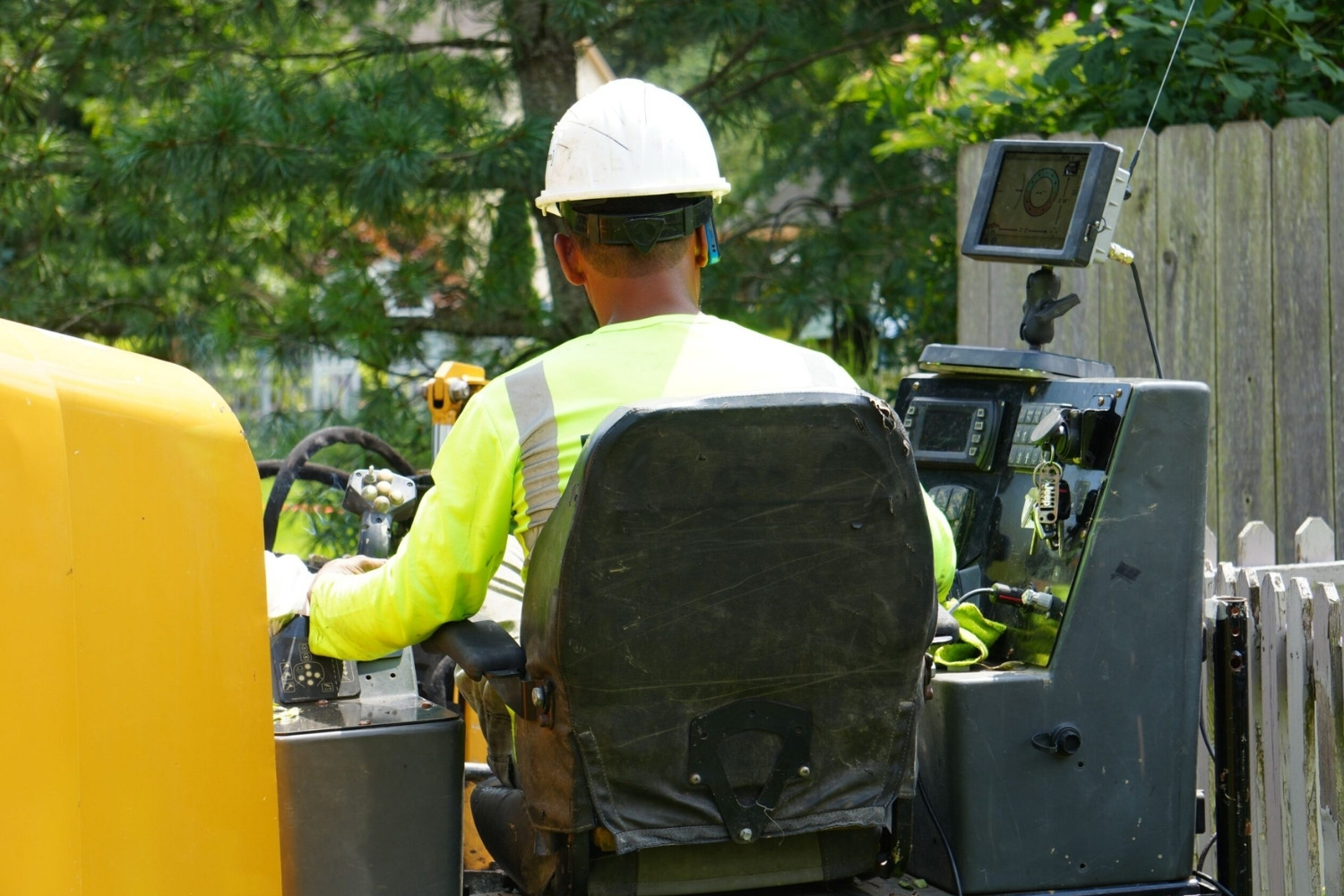
Residential handymen dig feet; underground utility contractors dig tens or hundreds of feet. If your project needs more than 4-6 feet of depth or substantial trench length, specialist equipment matters.
Capability Difference
Specialists have trenchers, directional drills, and excavators sized for the work. Generalists lack this equipment typically.
Soil Shoring
Deep excavation requires shoring per OSHA standards. Specialists have shoring equipment and training.
Sign 2: Multiple Utility Crossings
Modern streets have gas, electric, water, sewer, telecom, and sometimes steam or chemical lines. Crossing multiple utility corridors requires experienced coordination.
Potholing Capability
Verifying each crossing requires hydrovac potholing. Equipment and process most generalists don’t have.
Scheduling Coordination
Each utility owner has specific requirements. Experienced contractors know the pattern.
Sign 3: Trenchless Technology Required
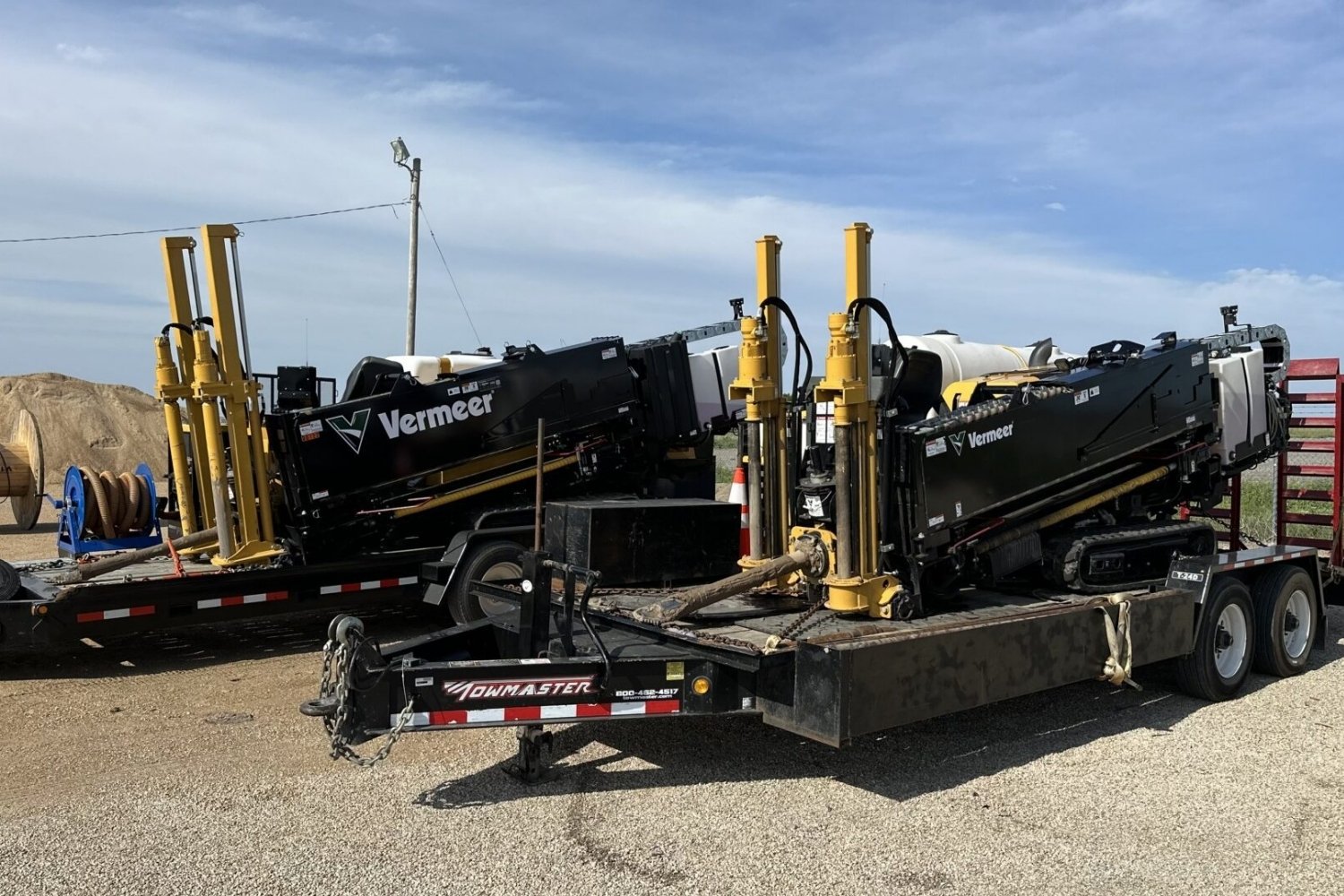
Directional boring (HDD) or microtunneling for crossings. Trenchless methods require specialized equipment and training.
HDD Equipment
Specialty directional drills range from compact to large. Specialists own and operate; generalists rarely do.
Trenchless Expertise
Operator experience critical. Successful trenchless work requires years of training.
Sign 4: Permit Complexity
Underground work frequently requires: ROW permits, DOT permits, railroad permits, environmental permits, archaeological reviews. Experienced contractors manage all of these.
Agency Relationships
Specialized contractors maintain relationships with permit agencies. Streamlines approval.
Permit Documentation
Each agency has specific documentation requirements. Templates and experience accelerate submissions.
Sign 5: Specialty Materials or Methods Required for Your Underground Utility Contractor Need
HDPE fusion welding, steel pipe welding, specialty fiber duct, prestressed concrete pipe. Different materials require specialized skills.
Material Handling
Large diameter pipe requires specific handling equipment. Specialists have capability.
Jointing Expertise
Each pipe system has a specific jointing method. Mastery requires training.
Sign 6: Safety Risks Exceed Standard
Confined space entry, elevated gas or electric line proximity, high-pressure lines, hazardous atmospheres. Standard construction crews may lack required training and equipment.
Confined Space
Specific training (OSHA 29 CFR 1910.146), equipment, and permit procedures. Specialized contractors certified.
Gas Line Work
Working near or on gas lines requires qualified personnel. Operator qualification (OQ) requirements per PHMSA.
High-Voltage Proximity
Electrical safety practices. Lockout/tagout procedures. Not all construction crews trained.
Sign 7: Compliance Documentation Required
Municipal projects, pipeline integrity requirements, utility company specifications. All require specific documentation during construction.
Welding Certifications
Pipeline welding requires certified welders. Documentation of each weld. Specialists maintain certifications.
Material Traceability
Pipe materials, fittings, repair parts traced through chain of custody. Required by pipeline operators and regulatory agencies.
Testing Records
Pressure testing, continuity testing, specific test protocols documented. Specialists know the forms and standards.
What a Professional Underground Utility Contractor Provides

Equipment
Trenchers, excavators of various sizes, hydrovac trucks, directional drills, pipe fusion equipment, specific test equipment. Capital investment generalists lack.
Trained Personnel
OSHA 30, confined space, excavation competent person training. OQ certifications. Welding certifications. Specialty training.
Documentation
As-built drawings, test records, material traceability. All required.
Insurance
Specialty liability coverage. General liability and workers compensation sized to work.
Permit Experience
Agency relationships, submission templates, agency-specific knowledge.
When a Generalist Is Sufficient
Shallow Trenching
Residential depths (3-4 feet) for utility connections. Generalists are capable.
Single Utility
Simple trench with one utility, no complications. General contractor fine.
Short Length
Residential-scale projects. Short runs. Within generalist capability.
No Permits or Simple Permits
Private property work with simple permit requirements.
Evaluating Underground Utility Contractor Options
Experience in Your Specific Work
Not just general underground experience. Specific experience with your scope — directional boring, fiber installation, specific depth. Specialty matters.
Equipment Ownership
Owned equipment vs rented. Owned equipment indicates ongoing specialization. Rented sometimes acceptable.
Insurance and Bonding
Sized to project. Specific coverages. Documented.
References
Similar scope projects. Talk to actual customers about experience.
Safety Record
OSHA records, EMR (experience modification rate), incident history. Low numbers indicate operational excellence.
Common Project Types
Water and Sewer
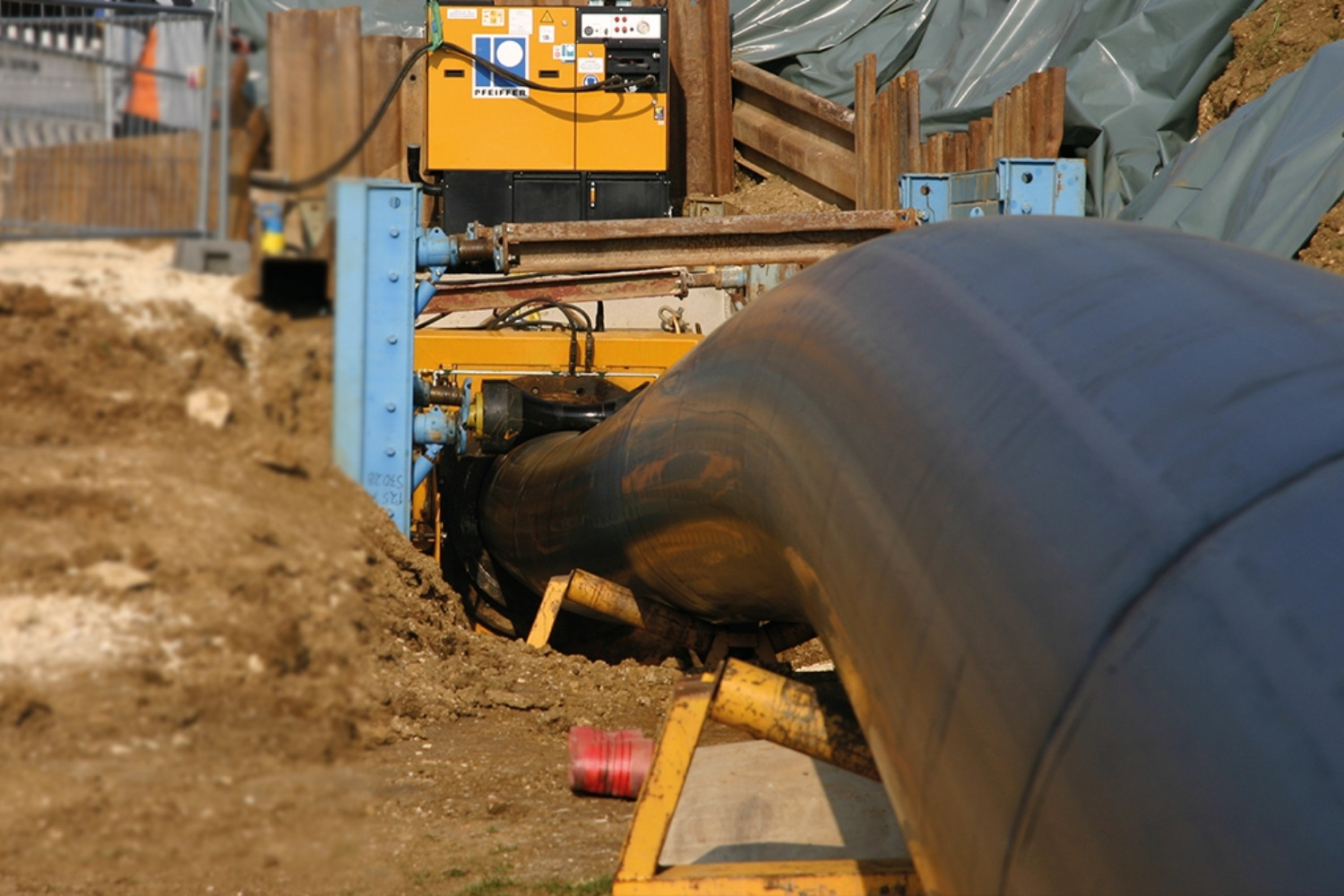
Municipal and private work. Specialty depth and material requirements.
Electric and Communications
Underground electrical and fiber. Different safety and installation requirements.
Gas Distribution
Natural gas, propane. Highest-risk work. Specialist contractors only.
Steam and Chilled Water
Industrial and campus systems. Specialty materials and welding.
Specialty Industrial
Chemical lines, process utilities, specific industrial applications.
Working with Fortress Underground
Fortress Underground is an underground utility contractor serving Ohio, Wisconsin, Tennessee, and surrounding regions. Services include directional boring, potholing, hydrovac excavation, and telecom cable installation. See services and contact details at our website.
Cost Considerations
Specialist Premium
Specialists cost more per hour than generalists. Reflects equipment investment and training.
Total Cost
Specialists typically lower total cost. Faster execution, fewer delays, lower risk.
Risk Transfer
Specialist contractors assume certain risks generalists cannot. Insurance and bonding support.
Change Order Risk
Generalist contractors change-order more frequently when they hit unexpected conditions. Specialists bid accurately.
FAQs
Do I always need an underground utility contractor?
Not for shallow residential work. For commercial depth, multiple utilities, trenchless methods, or complex permits — yes.
How much more do specialists cost?
20-50% higher hourly typically. Lower total project cost usually due to speed and risk reduction.
What certifications matter?
OSHA 30, confined space, OQ for pipeline work, specific welding certifications. Verify what applies to your scope.
Can I use my regular GC?
Depends on specific scope. Many GCs subcontract underground work to specialists. Verify capability.
Where do I get Fortress services?
Visit our website for any service or to discuss your project.