

Every fiber or cable route faces the same early decision: hang it on poles or put it in the ground. Neither method is always better. telecom construction crews weigh existing infrastructure, cost, schedule, permits, terrain and long-term reliability before recommending one, and many networks end up using both. This guide explains how that decision is made and what owners should expect from each approach.
How Aerial Telecom Line Installation Works
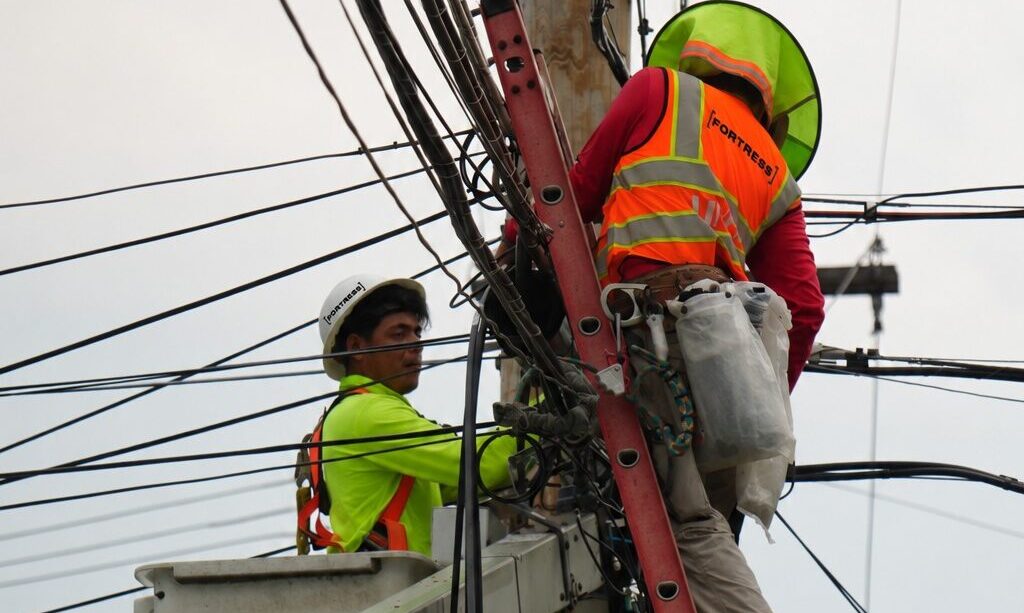
Aerial lines are attached to existing utility poles, usually lashed to a steel strand. Before new cable goes up, the pole owner and existing attachers check whether there is room. If not, make-ready work rearranges existing lines or replaces poles. Clearance requirements come from the National Electrical Safety Code [1], and access to poles is shaped by federal and state pole attachment rules.
How Underground Telecom Installation Works
Underground routes place conduit or cable below grade using directional drilling, trenching, plowing or microtrenching, with handholes and vaults for access and splicing. Every route needs utility locates through 811 [2] and, where lines cross, verification by potholing.
Underground Methods in More Detail
Directional Drilling
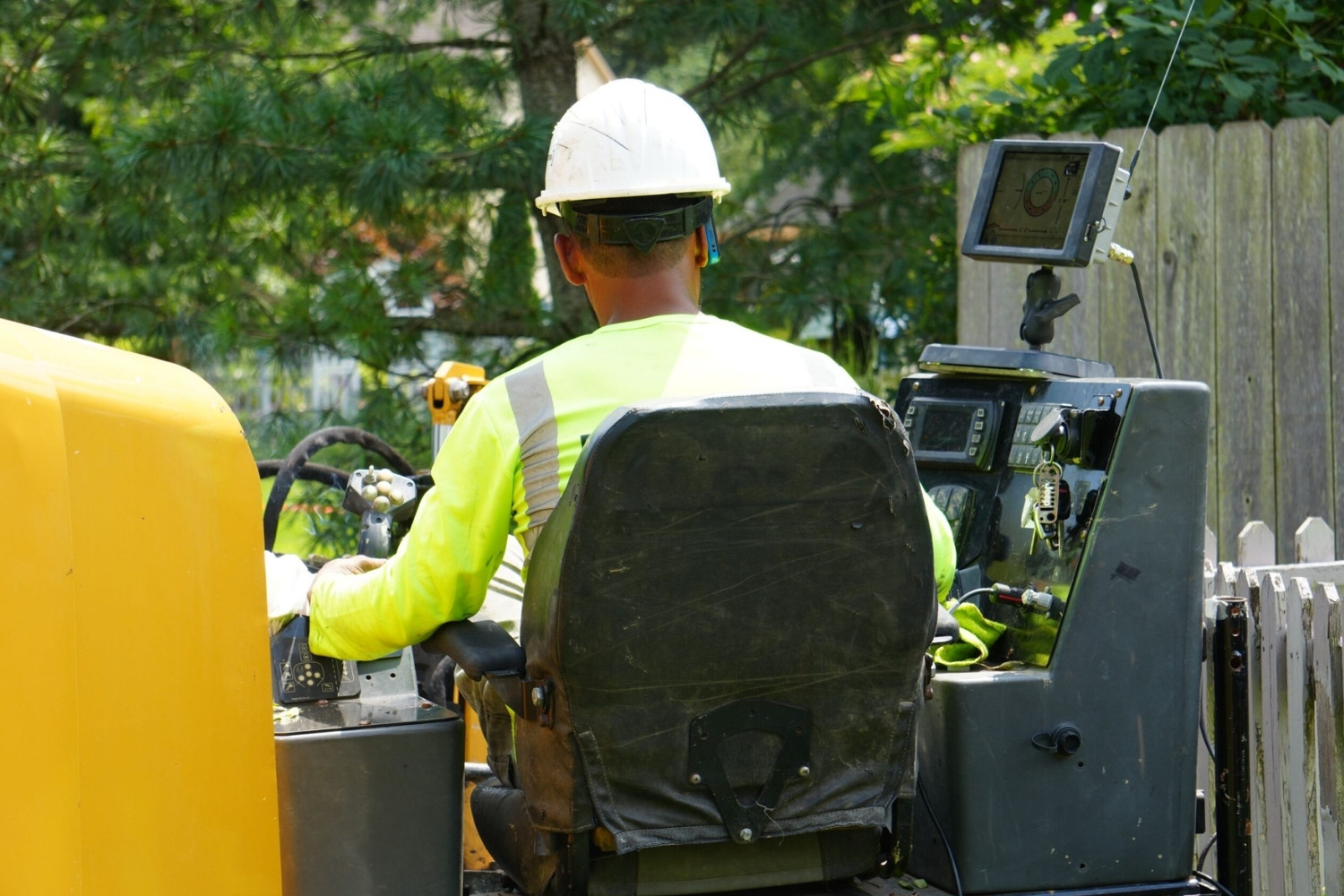
Directional drilling places conduit under roads, driveways and waterways without open trenches. It is the go-to method for crossings and developed areas.
Trenching and Plowing
Open trenching suits new developments and open ground. Plowing feeds cable or conduit into a narrow slit cut by a blade, which is fast across rural land without many obstacles.
Microtrenching
Microtrenching cuts a shallow, narrow slot in pavement and places small conduit inside. It is fast in some urban settings but depends on local approval and pavement condition.
What Telecom Contractors Weigh First
Existing Poles and Make-Ready
If poles exist with capacity, aerial is often faster and cheaper. If poles are full, aging or need replacement, make-ready costs and wait times can erase that advantage.
Permits and Right-of-Way
Aerial work needs pole attachment agreements; underground work needs right-of-way and road permits. Whichever process is slower locally often drives the schedule.
Terrain and Soil
Rock, high groundwater or congested streets raise underground costs. Rivers, highways and rail crossings may favor a bore even on an otherwise aerial route.
Reliability and Weather
Aerial lines are exposed to storms, ice, falling trees and vehicle strikes. Underground lines are better protected from weather but vulnerable to dig-ins if not marked and recorded accurately.
Appearance and Local Requirements
Many subdivisions, downtowns and campuses require underground utilities. Some communities discourage new aerial attachments for appearance.
Future Capacity
Placing spare conduit underground lets future fiber be pulled without new construction. Aerial routes add capacity by over-lashing, if pole loading allows.
Cost and Schedule Comparison
Where poles have capacity, aerial construction usually costs less per foot and moves faster. Underground construction costs more upfront but can last longer with less storm maintenance. Our breakdown of underground telecom cable installation costs explains the main price drivers.
Why Many Networks Use Both
network builders often design hybrid routes: aerial along roads with healthy poles, underground through neighborhoods, crossings and areas where poles are full or not allowed. Funding programs such as BEAD [2] have increased build activity, and mixed designs help projects keep moving when one method stalls.
Maintenance Over the Life of the Network
Aerial routes are easier to reach for repairs but need more storm response, tree trimming and attention when poles are replaced. Underground routes need fewer repairs but depend on accurate records and locates to avoid damage. Telecom contractors who plan for maintenance at the design stage, with labeled handholes, slack loops and good as-builts, make every future repair faster.
Timeline Expectations
Aerial projects can stall waiting for make-ready on crowded poles, sometimes for months. Underground projects can stall on road permits, traffic plans or rock. Experienced telecom contractors identify which risk is bigger on each segment early, then sequence the work so crews stay productive while slower approvals are pending.
Questions to Ask Telecom Contractors
- Have you assessed pole capacity and likely make-ready along this route?
- Which sections would you bore, and why?
- How will you locate and protect existing utilities?
- Will you place spare conduit for future growth?
- What restoration and as-built documentation do you provide?
Choosing a Telecom Construction Contractor
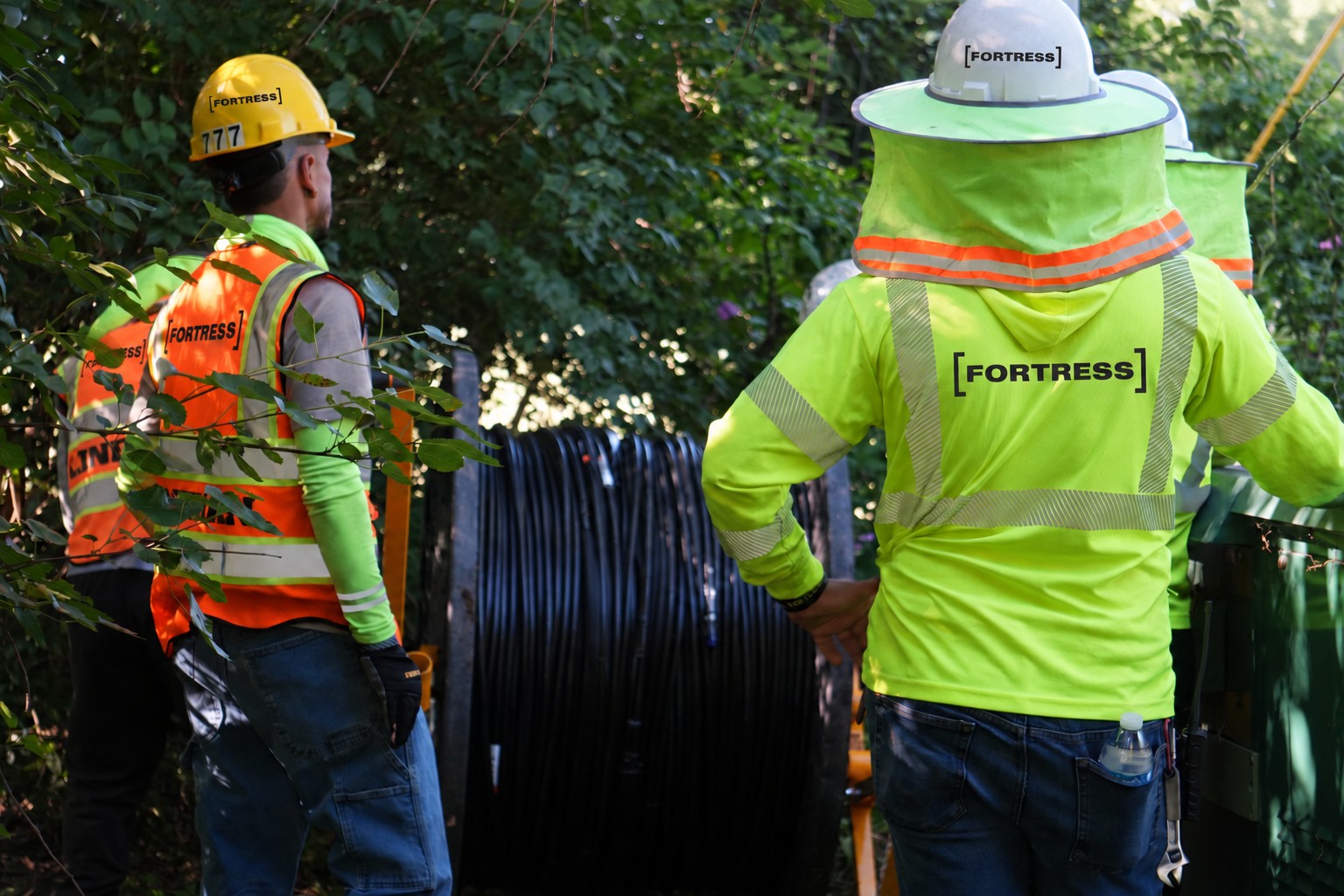
Look for telecom contractors that handle both aerial and underground work, so the recommendation is driven by the route rather than by the equipment a contractor happens to own. Ask for references on similar routes and a clear explanation of assumptions in the bid.
Working With Fortress Underground
Fortress Underground builds both aerial telecom lines and underground telecommunication routes, including directional drilling. Share your route at contact us page.
FAQs
Is aerial or underground fiber cheaper?
Aerial is usually cheaper where poles have capacity. Make-ready, pole replacements and permits can change that.
Which is more reliable?
Underground lines avoid most storm damage, while aerial lines are easier to reach for repairs. Accurate records protect underground lines from dig-ins.
What is make-ready?
Work done on poles, such as moving existing lines or replacing poles, to create room for a new attachment.
How do telecom contractors choose a method?
By weighing pole capacity, permits, terrain, cost, schedule, reliability, local requirements and future capacity.
Can a project mix aerial and underground?
Yes. Hybrid routes are common and often the most practical approach.