

Potholing and daylighting services are the quiet step that prevents expensive and dangerous mistakes on underground construction projects. Before heavy equipment digs, these services pinpoint exactly where existing utilities run. This guide walks through what the work actually is, why it matters, and when it’s required.
What Potholing Means
Potholing is the physical exposure of a buried utility to visually confirm its exact location and depth. Instead of trusting a map or an electromagnetic locator alone, the crew digs a small test hole to see the pipe or cable with their eyes. Daylighting is the same idea by a different name.
Why Potholing and Daylighting Services Exist

Utility maps are frequently inaccurate. Lines move during repairs. Depths vary. Electromagnetic locators can miss plastic pipe and fiber. When excavators strike utilities, consequences range from inconvenient to fatal. According to the Common Ground Alliance, damage to underground utilities causes billions in annual losses in the US.
How the Work Is Done
Hydrovac Excavation
Most modern potholing uses hydrovac – high-pressure water loosens soil while a vacuum lifts the slurry into a tank. Non-destructive. Fast. Safe around sensitive utilities.
Air Vacuum Excavation
Air lance replaces water. Useful in cold weather and around utilities that could be damaged by water. Slower than hydrovac typically.
Hand Digging
Shovels for the last few inches when the exact utility location is near. Standard practice near known utilities.
When Potholing Is Required
Near Existing Utilities
Any excavation within tolerance zones of marked utilities. State one call laws dictate specifics but most require potholing when crossing or paralleling buried lines.
Critical Utilities
Gas, high-voltage electric, large water mains, fiber trunk lines. Strikes have outsized consequences; verification essential.
Design Phase Work
Before design finalizes, confirmation of existing utility positions. Prevents costly design changes mid-construction.
Pre-Bid Investigation
Contractors bidding complex projects pothole to understand actual site conditions. Reduces risk of change orders.
Benefits of Potholing and Daylighting Services
Safety
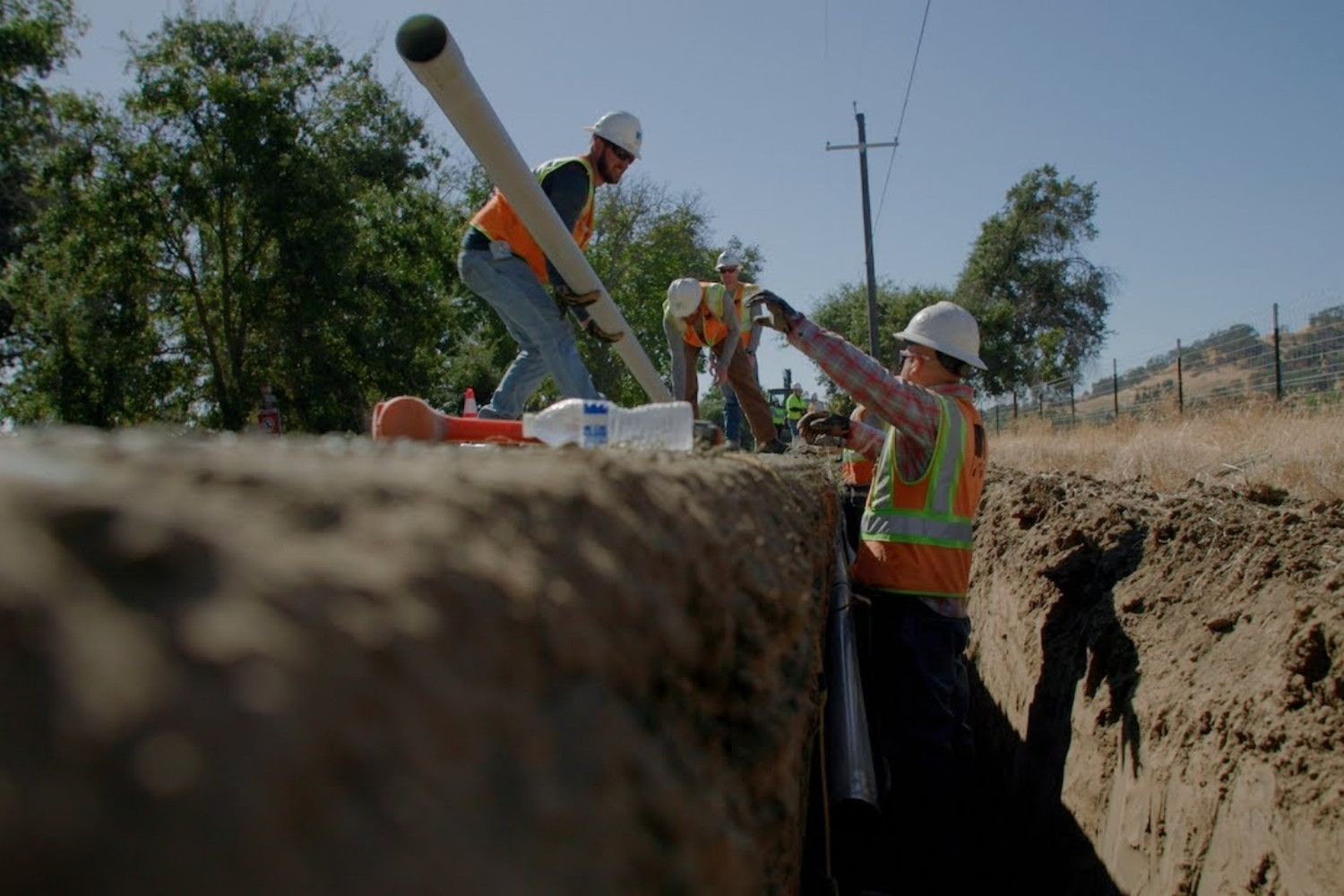
Strike avoidance. Gas line strikes cause explosions and fatalities. Electric line strikes cause electrocution. Non-destructive location prevents these.
Cost Prevention
Utility strike repair costs 5,000 – 500,000+. Potholing costs a fraction. Pure risk prevention economics.
Schedule Protection
Utility strikes cause project delays. Weeks or months of recovery. Potholing prevents.
Design Accuracy
Verified utility positions produce accurate as-built drawings. Future projects benefit.
Who Performs Potholing
Specialized Hydrovac Contractors
Dedicated potholing/daylighting companies. Hydrovac truck fleets. Trained operators. Primary providers for complex work.
Underground Utility Contractors
Many underground contractors offer potholing as part of broader services. Fortress Underground covers potholing alongside directional boring and installation work.
Self-Perform
Larger construction companies sometimes own hydrovac equipment. Self-perform for high-volume work.
Potholing and Daylighting Services Standards and Compliance
ASCE 38-22
American Society of Civil Engineers standard for utility investigation. Defines quality levels (A, B, C, D) based on investigation depth. Quality Level A requires physical exposure (potholing).
State One-Call Laws
Each state has excavation notification requirements. 811 is the national number. Each state has specific requirements. See state-specific requirements before any excavation.
OSHA Requirements
OSHA excavation standards include utility verification requirements for larger excavations.
Local Permits
Many municipalities require potholing for permits. Verify local requirements before scoping work.
Typical Project Workflow
Design Review
Engineer reviews utility maps and project scope. Identifies potholing locations.
One-Call Notification
Call 811 at least 48-72 hours before excavation (varies by state). Utility companies mark their lines on the surface.
Field Verification
Hydrovac crew pothole at designated locations. Document actual depth and position of utilities.
Documentation
Photographs, measurements, GPS coordinates. Report provided to the project team. Updates design and construction plans.
Backfill
Potholed openings backfilled per site requirements. Surface restored.
Costs
Per-Hole Pricing
200 – 1,000 per pothole is typical. Depends on depth, soil conditions, access, and location.
Hourly Pricing
Some projects price hydrovac work hourly. 300 – 600 per hour for truck and crew.
Project Pricing
Larger projects negotiate project rates. Volume discounts and defined scope.
Mobilization
Travel to site. Separate charge typically for distant sites.
Common Mistakes
Skipping Potholing
Trusting maps alone. Causes most utility strikes. False economy.
Insufficient Hole Count
Potholing only major utilities. Smaller utilities often struck. Comprehensive potholing is less expensive than repair.
Poor Documentation
Verifying utility positions but not documenting. Information lost. Reduces value for future projects.
Timing
Potholing too close to excavation. Not enough time for design updates. Plan ahead.
Specialized Potholing Applications
SUE (Subsurface Utility Engineering)
ASCE Quality Level A investigation. Comprehensive engineering process with potholing component.
Horizontal Directional Drilling Support
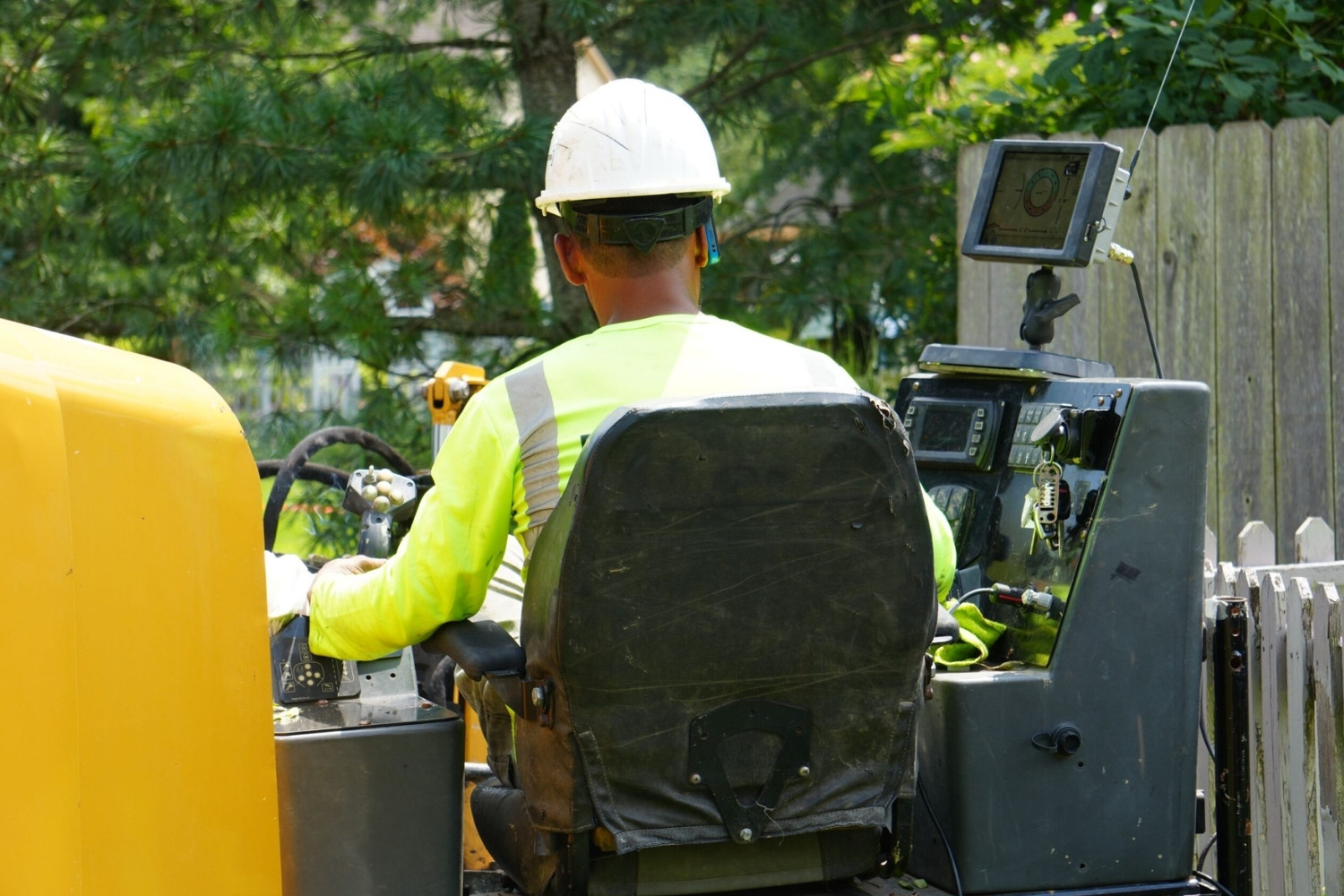
HDD projects require precise entry/exit point verification. Potholing confirms exact pit location and avoids crossing utilities.
Deep Utility Work
Projects crossing deep gas or electric lines require verified positioning. Potholing to significant depth is sometimes required.
Underwater Potholing
Submerged utility verification. Specialized methods. Occasionally required.
Working with Fortress Underground
Fortress Underground provides potholing and daylighting services using HydroVac excavation. Primary coverage is focused on Central Ohio, within approximately two hours’ driving time of Columbus. The team can travel elsewhere in Ohio and considers projects in Kentucky, Illinois, Indiana, Wisconsin, and other states when project volume supports mobilization. Contact us to confirm availability for your location.
What to Expect from the Service
Site Visit
Pre-work site visit. Access, soil conditions, utility complexity assessed.
Equipment Setup
Hydrovac truck positioned. Water tank, vacuum system, hoses deployed.
Work Progression
Methodical hole-by-hole work. Each hole dug, utility exposed, documented, backfilled before the next hole.
Weather Considerations
Freezing temperatures affect hydrovac. Water freezes. Alternative methods or seasonal scheduling may apply.
Documentation Deliverables
Photo Documentation
Each potholed utility photographed. Shows actual condition and position. Timestamped and GPS tagged.
Measurement Records
Depth to top of utility, utility diameter, surface conditions. Written records.
Report
Compiled report with findings. Compared to utility maps. Discrepancies noted.
Updated Plans
Design plans updated with actual utility positions. Ready for construction.
FAQs
What are potholing and daylighting services exactly?
Physical exposure of buried utilities to verify exact position and depth. Done with hydrovac equipment typically.
Is it legally required?
Many jurisdictions require it for excavation permits. ASCE 38-22 standard references it. One-call compliance often implies it.
How much does potholing cost?
200-1,000 per pothole is typical. Depends on depth and conditions.
Can I skip potholing for small projects?
Only if no utilities are present. If utilities are marked, potholing is recommended regardless of project size. Risk doesn’t scale with project size.
Where do I get Fortress Underground services?
Visit our website to discuss potholing services for your project.