

HDD – formally horizontal directional drilling (HDD), installs underground utilities without open trenching. It’s the standard method for crossing roads, waterways, and sensitive areas. This guide walks through how horizontal directional drilling works, when it fits, what projects benefit, and what to expect in cost and timeline.
What Directional Boring Is
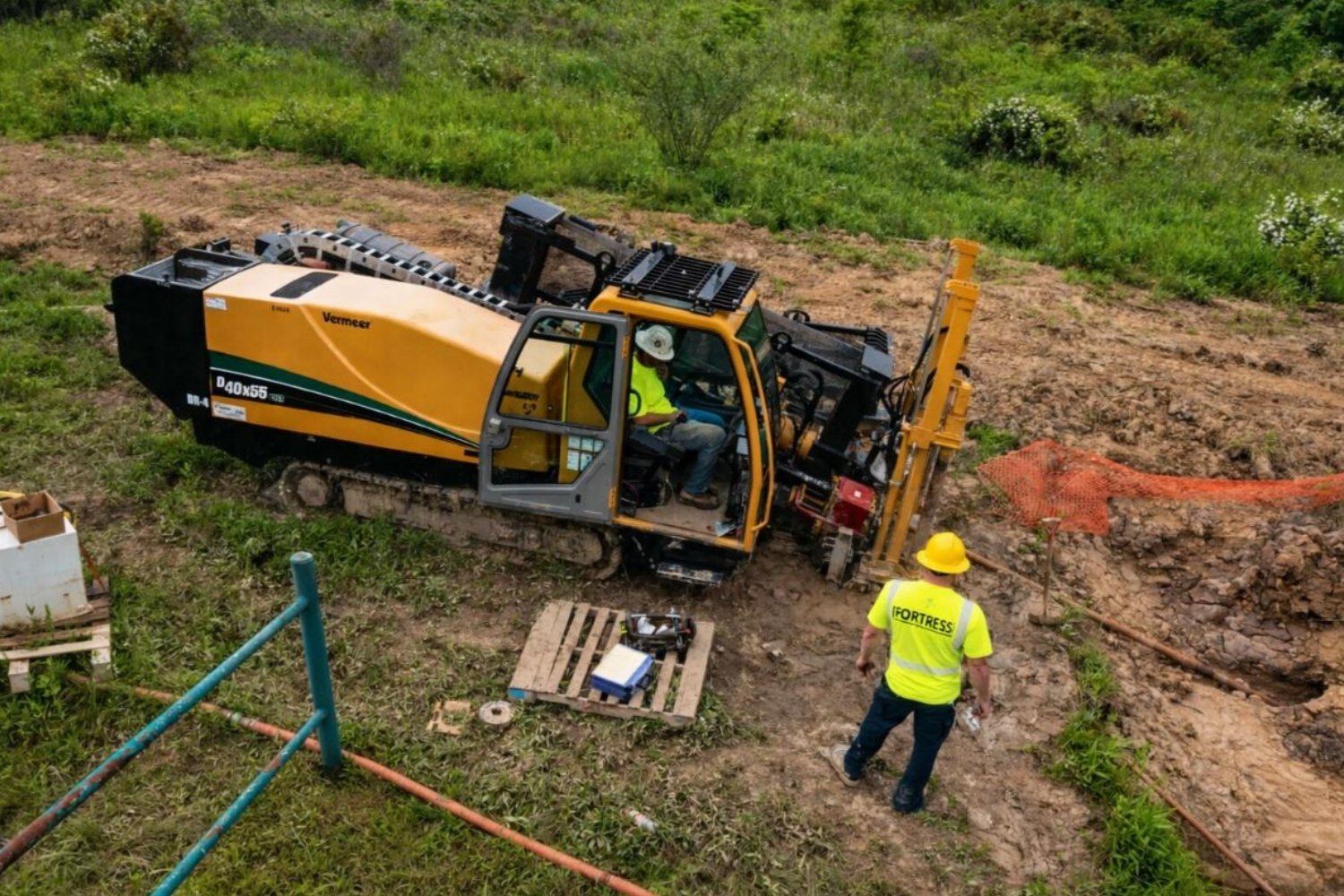
A specialized drill rig bores a horizontal path through subsurface soil. The drill head is steered along the planned path. The hole is enlarged in stages, then a utility pipe or cable is pulled through. No surface disruption between entry and exit points.
How HDD Works
Pilot Bore
A small-diameter drill bit creates the initial path. Steered using sensors and guidance systems. Soil cuttings mixed with drilling fluid pumped back.
Reaming
A larger reamer enlarges the hole to the required diameter. May require multiple passes for very large installations.
Pullback
Utility pipe or cable attached to reamer. Pulled through an enlarged hole. Installation complete.
Mud and Cuttings Management
Drilling fluid (bentonite slurry typically) carries cuttings. Reused in a closed loop. Disposed properly after the project.
When Directional Boring Fits
Road Crossings
Crossing busy roads without closure. Common HDD application. Reduces traffic disruption significantly.
Water Crossings
Rivers, streams, wetlands. Trenching is environmentally destructive and sometimes impossible.
Developed Areas
Streets, driveways, parking lots. Preserves surfaces. Can reduce restoration costs.
Difficult Terrain
Rocky areas, steep slopes. Trenching is difficult or dangerous.
Underground Obstacles
Existing utilities, foundations. HDD navigates around.
Long Runs
Hundreds to thousands of feet in a single bore. Minimizes connection points.
When Open Trenching Is Better Than Directional Boring
Short Runs in Open Ground
Simple open-field work under 100 feet. Trenching is usually faster and cheaper.
Multiple Utilities in One Trench
Common trench installation for several utilities. HDD done once; trench better for multiple.
Very Shallow Installation
Utilities needing specific shallow depth. HDD typically installs deeper than trenching.
Access and Shoring Issues
Some sites allow trenching but not HDD rig access. Site conditions matter.
What Utilities Benefit
Water and Sewer
Potable water mains, sewer force mains, storm drains. All work with HDD.
Gas Distribution
Natural gas distribution lines. Common HDD application. Minimal surface disruption critical.
Electric Underground
Underground electrical conduit. Residential and commercial applications.
Fiber Optic
Telecom fiber installation. Major HDD application. Minimal pavement disruption drives method choice.
Steam and Chilled Water
Industrial and campus systems. Insulated pipe installation.
The Directional Boring Process
Design Phase
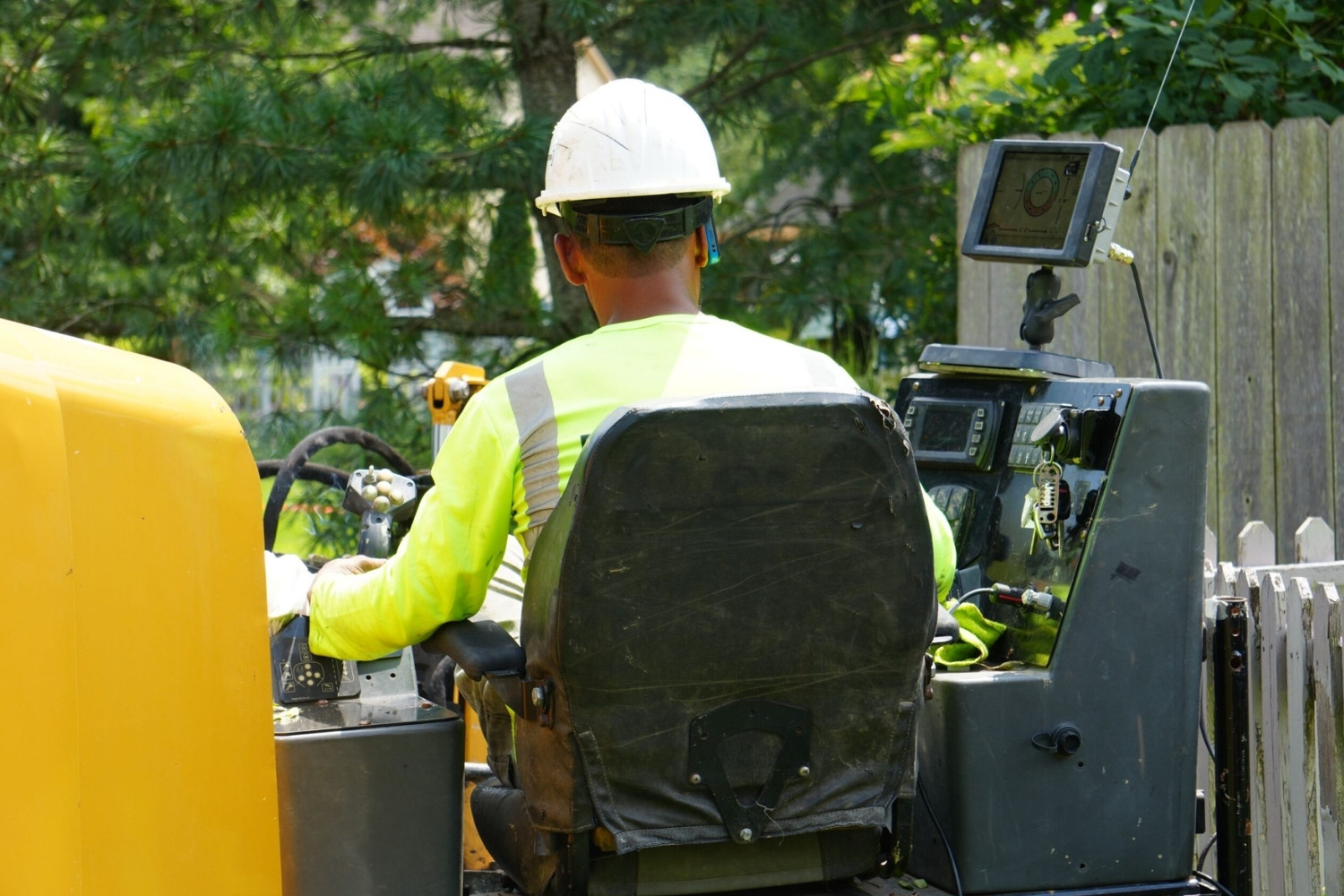
Route survey. Soil investigation. Utility locating. Entry and exit point selection. Design calculations for pullback forces and bore path.
Permit Phase
ROW permits, environmental permits, DOT permits as applicable. Can take weeks to months depending on complexity.
Mobilization
Equipment arrives at the site. Setup for entry pit. Mud mixing system operational.
Bore Execution
Pilot bore, remaining, pullback. Typically days for standard bores; weeks for complex projects.
Tie-In and Testing
Connection to existing infrastructure. Testing per specifications. Documentation.
Site Restoration
Entry and exit pits restored. Minimal above-ground impact overall.
Equipment and Capability
Compact HDD Rigs
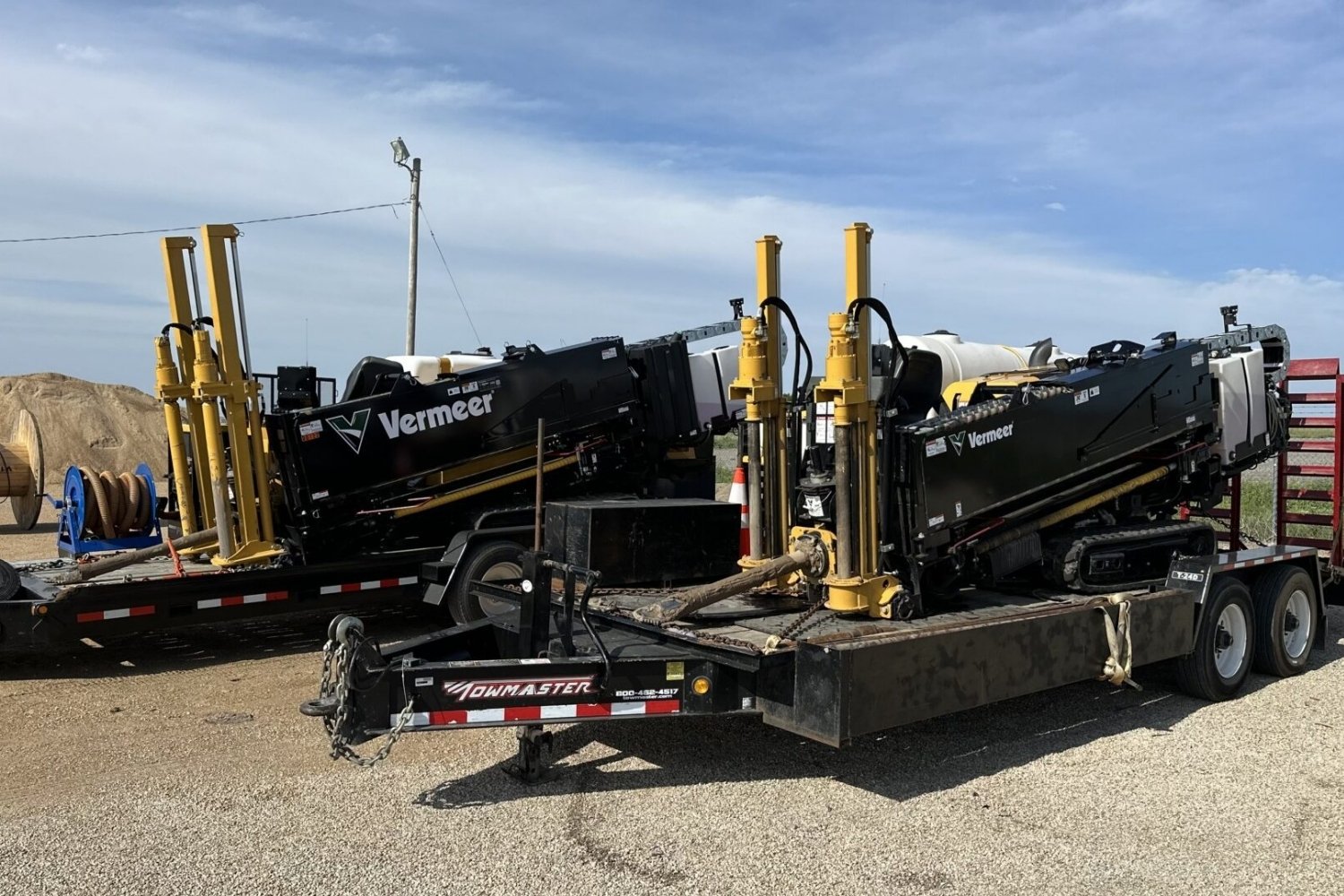
15,000-40,000 lb pullback. Residential and small commercial. 1,000-foot bores are typical.
Mid-Size Rigs
40,000-100,000 lb pullback. Commercial and infrastructure work. 1,500-foot bores are common.
Large Rigs
100,000+ lb pullback. Major utility work. River crossings. 3,000+ foot bores.
Mini-HDD
Very compact rigs for residential. Smaller bores. Minimal site disruption.
Soil Considerations for Directional Boring
Favorable Conditions
Clay, sand, soft rock. Standard HDD conditions. Predictable performance.
Challenging Conditions
Boulders, hard rock, cobbles. Specialized equipment or methods required. Costs higher.
Unstable Conditions
Loose sand, saturated soil. Risk of frac-out (drilling fluid escaping to surface). Enhanced engineering required.
Soil Investigation
Pre-bore soil investigation reduces surprises. Borings, test pits, geotechnical analysis.
Cost Factors
Bore Length
Longer bores cost more total but may cost less per foot. Economy of scale.
Bore Diameter
Larger diameter requires larger equipment. Higher costs.
Soil Conditions
Favorable soil: 20 – 50 per foot typical. Challenging: 50 – 150+. Rock: $150+.
Depth
Deeper bores cost more. Longer pilots bore paths. Larger spoil management.
Permit Requirements
Complex permits add cost. Permit management experience helps.
Mobilization
Equipment setup and breakdown. Larger projects amortize this better.
Advantages Over Trenching
Lower Surface Disruption
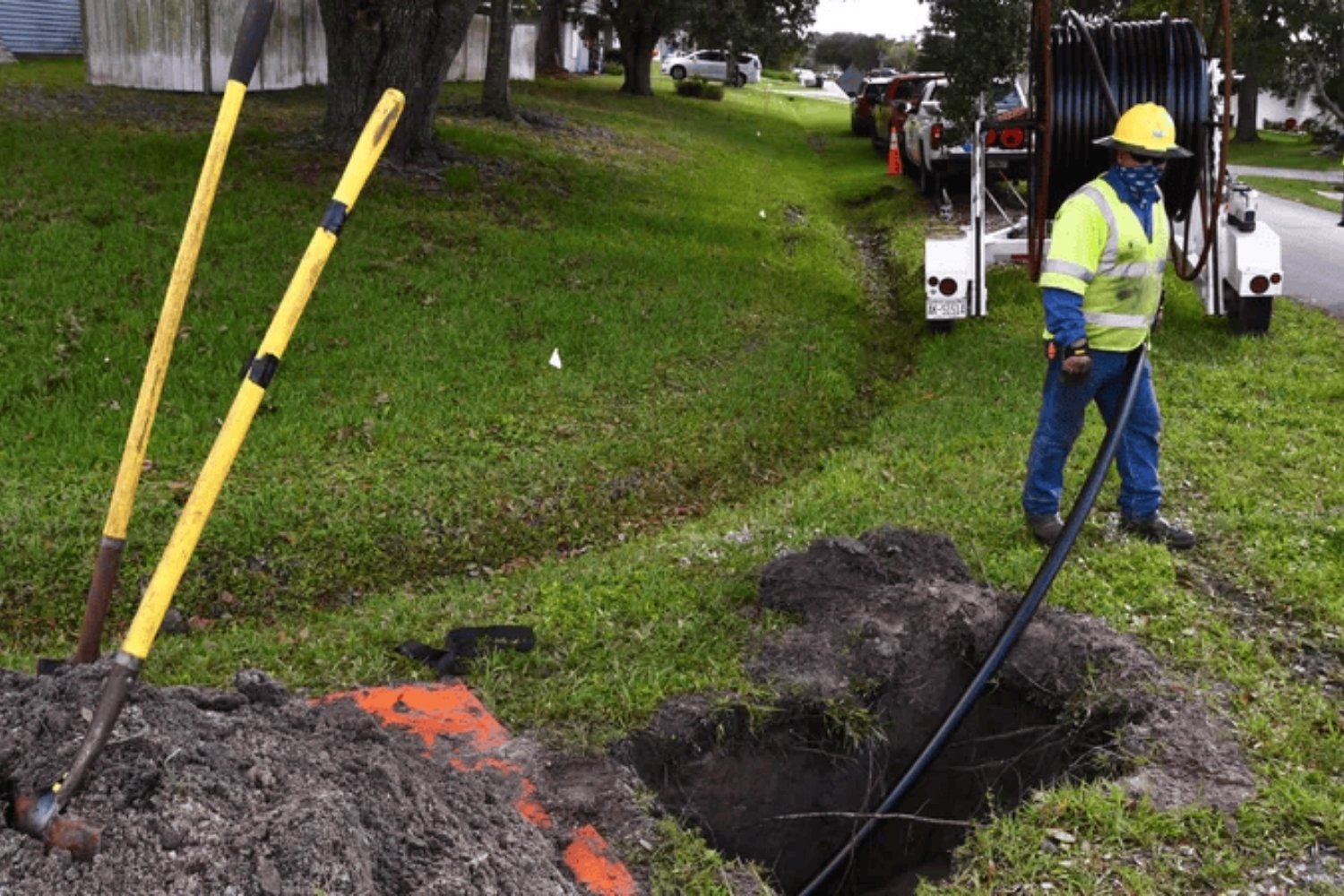
No open trench. Minimal pavement, landscaping impact. Faster project completion overall.
Less Restoration
Only entry and exit points to restore. Significant cost savings.
Less Traffic Impact
Can reduce the need for lane closures. Just entry/exit staging.
Environmental Protection
Minimal site disturbance. Trees, wetlands, and sensitive areas protected.
Weather Resilience
HDD is less affected by precipitation than open trenching. Winter operation possible with some planning.
Common Mistakes
Underestimating Soil Complexity
Insufficient soil investigation. Surprises during boredom. Rework and delays.
Rushing Design
Inadequate route planning. Utility strikes bore difficulties. Spend time designing.
Skipping Potholing
Not verifying utilities on the bore path. Strike risk. See our guide to potholing before you dig.
Poor Contractor Selection
Choosing based on price alone. Capability matters more. See our 7 signs article.
Working with Fortress Underground
Fortress Underground specializes in the directional bore across Ohio, Kentucky, Illinois, Indiana, and Wisconsin, and can travel to additional states depending on project scope. Fiber, telecom, water, electric and gas applications. See all services and contact details at our website.
Regulatory Context
PHMSA regulates gas and hazardous liquid pipeline construction. State one-call laws govern excavation notification. OSHA covers worker safety.
Quality Control
Bore Logs
Detailed records of each bore. Depth, deviation, speed, mud pressure. Documents actual path.
As-Built Drawings
Final bore path documented. Important for future projects. Required by most agencies.
Testing
Pressure testing per specifications. Specific requirements for each utility type.
Pipe Inspection
CCTV inspection of installed pipe. Verifies installation quality.
FAQs
What’s the difference between directional boring and traditional trenching?
Directional drilling installs underground without an open trench. Trenching is open-cut installation. Different applications, different costs.
How much does directional boring cost?
20 – 150+ per foot depending on soil, diameter, depth, and complexity. Project-specific quotes essential.
What soil conditions are best?
Clay, sand and soft rock are favorable. Boulders and hard rock challenging. Soil investigation reduces surprises.
How deep can bores go?
Depth depends on equipment and soil. Commercial bores typically 10-50 feet. Deeper possible with larger equipment.
Where do I get Fortress services?
Visit our website to discuss your bore project.