

Horizontal directional drilling installs pipe and conduit with little surface disruption, but when an HDD job goes wrong, it goes wrong underground, where problems are slow and expensive to fix. Most delays trace back to decisions made before the rig arrived. This guide covers the most common horizontal directional drilling mistakes and the planning that prevents them, whether you are hiring HDD drilling contractors or managing the work yourself.
Mistake 1: Skipping a Proper Subsurface Investigation
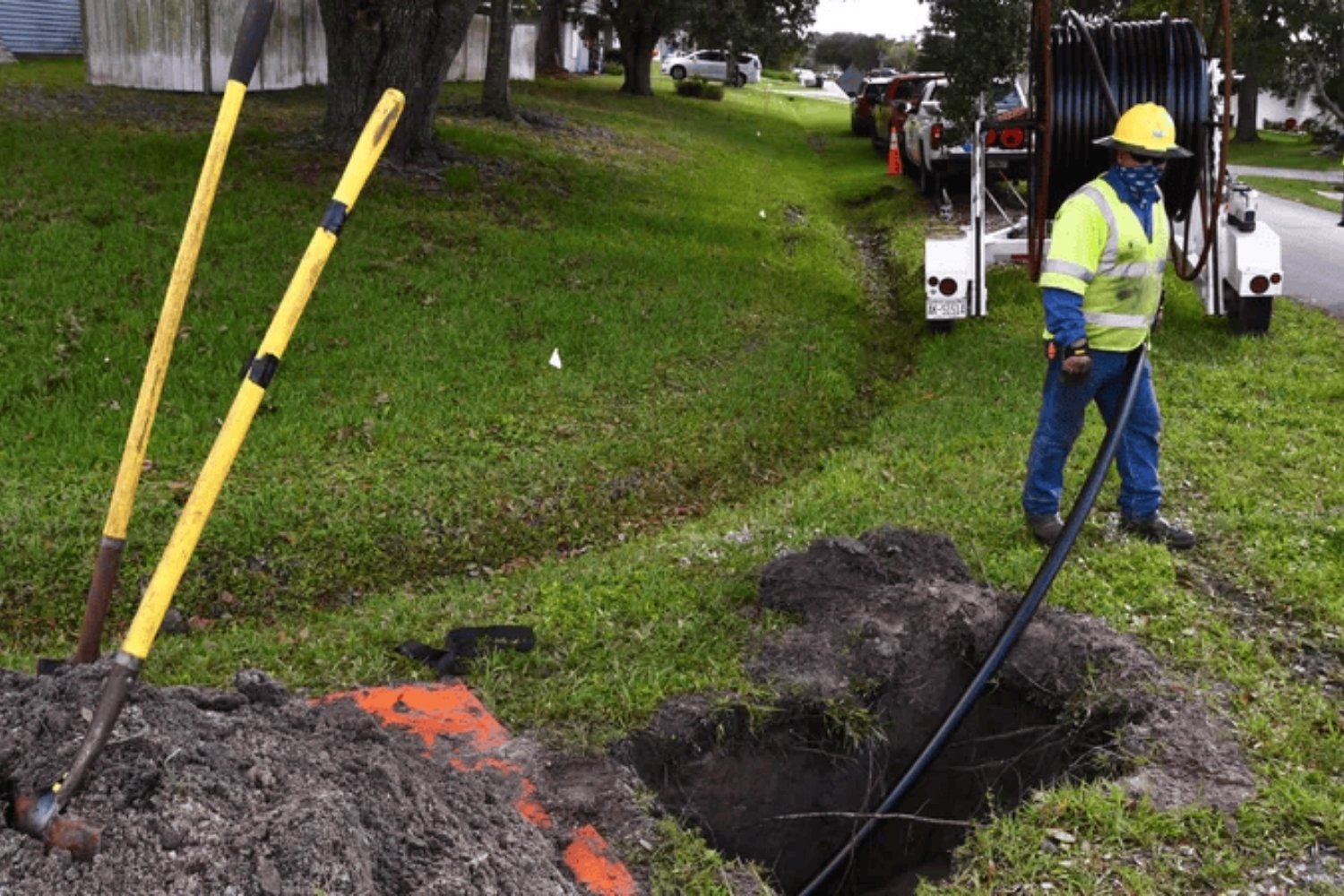
Soil changes everything in HDD: cobbles, rock, running sand and high groundwater all affect tooling, fluids and production rates. Bidding a bore as clay when it hits rock leads to stuck tooling, slow progress and change orders.
Prevention: Review geotechnical data, local experience and test pits before choosing the rig and tooling.
Mistake 2: Trusting Marks Without Verifying
A bore path crossing gas, power and fiber needs exact depths. Relying on surface marks alone risks strikes and cross bores, where a new line is bored straight through a sewer lateral. The Common Ground Alliance [1] tracks damage causes like these across the industry.
Prevention: Place an 811 ticket [2], then pothole every crossing using utility potholing services and design clearances around confirmed depths.
Mistake 3: Poor Bore Path Design
Entry and exit angles, bend radius and depth must suit the pipe. Bending pipe tighter than its allowable radius or designing too shallow under a road invites damage and settlement. For polyethylene pipe, ASTM F1962 [3] is a common reference for horizontal directional drilling design and installation.
Prevention: Engineer the profile, check pullback loads and confirm clearances before mobilizing.
Mistake 4: Wrong Rig or Tooling for the Job
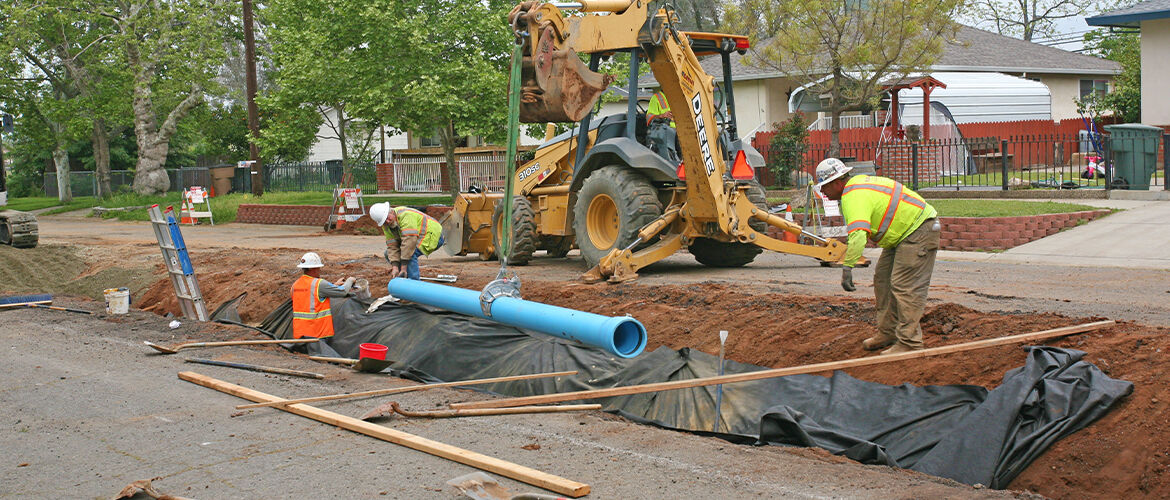
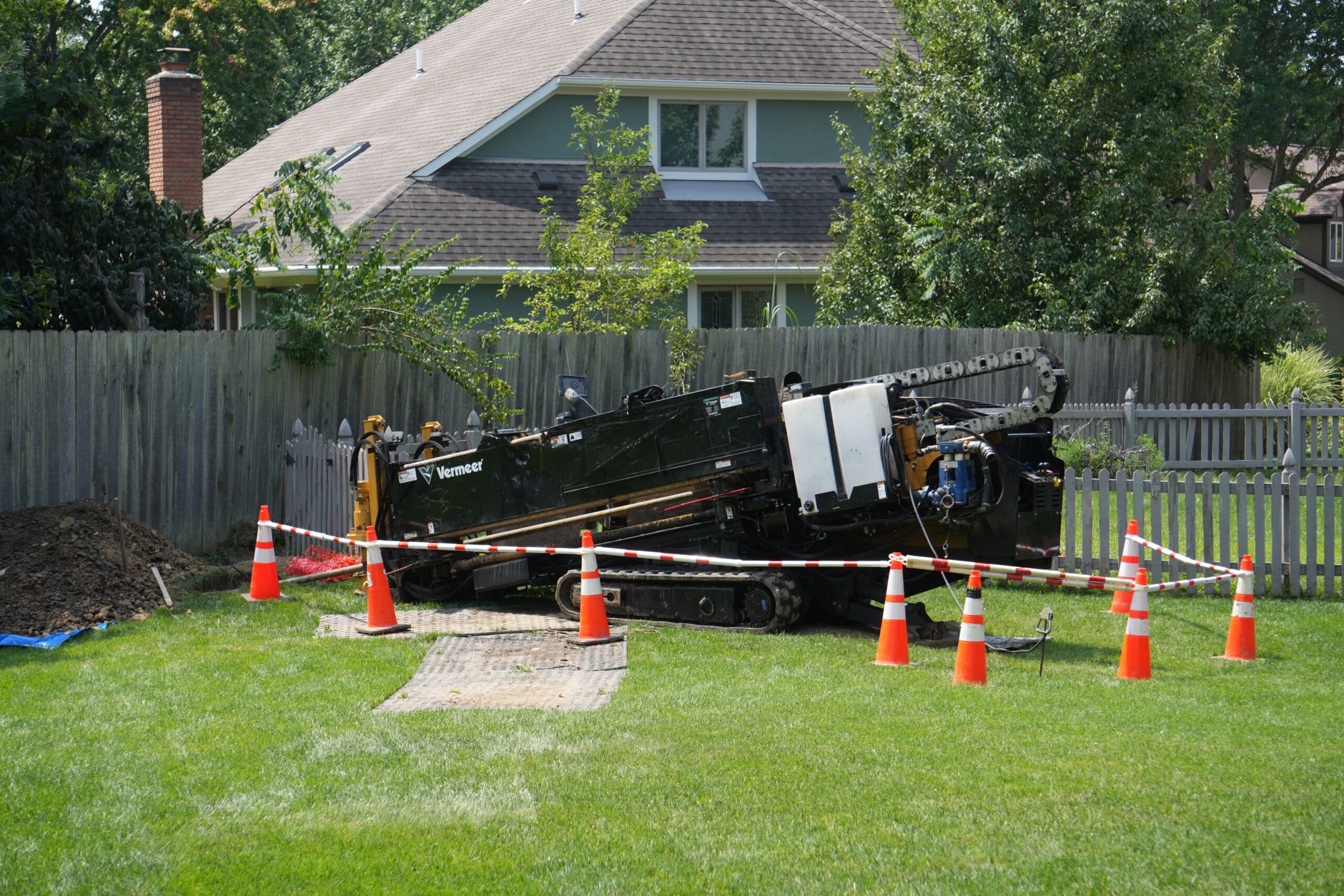
An undersized rig cannot complete the pullback; an oversized one may not fit the site. Bits and reamers must match the ground.
Prevention: Size the rig from calculated pullback force with a safety margin, and plan tooling changes for mixed ground.
Mistake 5: Drilling Fluid Mismanagement
Drilling fluid carries cuttings, stabilizes the hole and cools the tooling. Wrong mix, volume or pressure can cause hole collapse, stuck pipe or inadvertent returns, where fluid surfaces in a yard, street or waterway.
Prevention: Design the fluid program for the soil, monitor returns and pressures, and have a containment plan ready.
Mistake 6: Tracking Errors and Interference
Walkover locating systems can be thrown off by power lines, rebar, fences and other steel. Small errors add up over a long bore.
Prevention: Survey for interference, take frequent readings and use alternative guidance where needed.
Mistake 7: Rushing the Ream and Pullback
Pulling back before the hole is properly reamed and cleaned can damage pipe or leave it stuck halfway.
Prevention: Ream to the right diameter, swab the hole, fuse and test the pipe string beforehand, and pull back continuously.
Mistake 8: Underestimating Permits and Site Logistics
Road permits, traffic control, environmental approvals, water sources and spoils disposal routinely delay HDD jobs more than the drilling does.
Prevention: List every permit and logistics need at the planning stage and assign an owner to each.
Mistake 9: Poor Communication
Utility owners, inspectors, property owners and the drilling crew all need the same information. When a crossing depth changes or a bore path moves, someone has to tell the people affected. Missed messages lead to stop-work orders, re-inspections and frustrated neighbors.
Prevention: Hold a pre-construction meeting, name one point of contact and log every change to the plan.
What Good HDD Records Include
A completed horizontal directional drilling job should leave behind a bore log with depth and position readings along the path, pullback details, fluid volumes, any inadvertent returns and how they were handled, and final as-built drawings. Those records protect the owner and make the line easy to find for anyone who digs nearby later.
A Pre-Bore Planning Checklist for Horizontal Directional Drilling
- Geotechnical information reviewed and tooling selected.
- 811 ticket active and every crossing potholed.
- Bore profile engineered, with bend radius and pullback checked.
- Drilling fluid and containment plan in place.
- Permits, traffic control and disposal arranged.
- Excavations for entry and exit pits planned to OSHA rules [4].
Choosing HDD Drilling Contractors
Experienced directional drilling companies ask about soil, crossings and pipe before they quote. Industry groups such as NASTT [5] offer training resources on trenchless methods. Our complete guide to directional boring for underground utilities covers how a typical job runs from pilot bore to pullback.
Working With Fortress Underground
Fortress Underground provides horizontal directional drilling services with HydroVac excavation services for utility verification. Discuss your bore at Fortress Underground.
FAQs
What causes most horizontal directional drilling delays?
Unexpected ground conditions, utility conflicts, permit holdups and drilling fluid problems.
What is an inadvertent return?
Drilling fluid escaping to the surface through fractures or weak soil. Good fluid management and monitoring reduce the risk.
What is a cross bore?
A new utility bored through an existing line, often a sewer lateral. Potholing and camera inspection help prevent it.
How do I compare HDD bids?
Check what each bid assumes about soil, crossings, permits and restoration, not just the price per foot.
Can HDD work in rock?
Yes, with suitable rigs and tooling, but production is slower and costs are higher.
References
[1] https://commongroundalliance.com/
[3] https://www.astm.org/f1962-20.html
[4] https://www.osha.gov/laws-regs/regulations/standardnumber/1926/1926.651